Unveiling the Untold: Personal Stories and Historical Insights from the Vietnam War
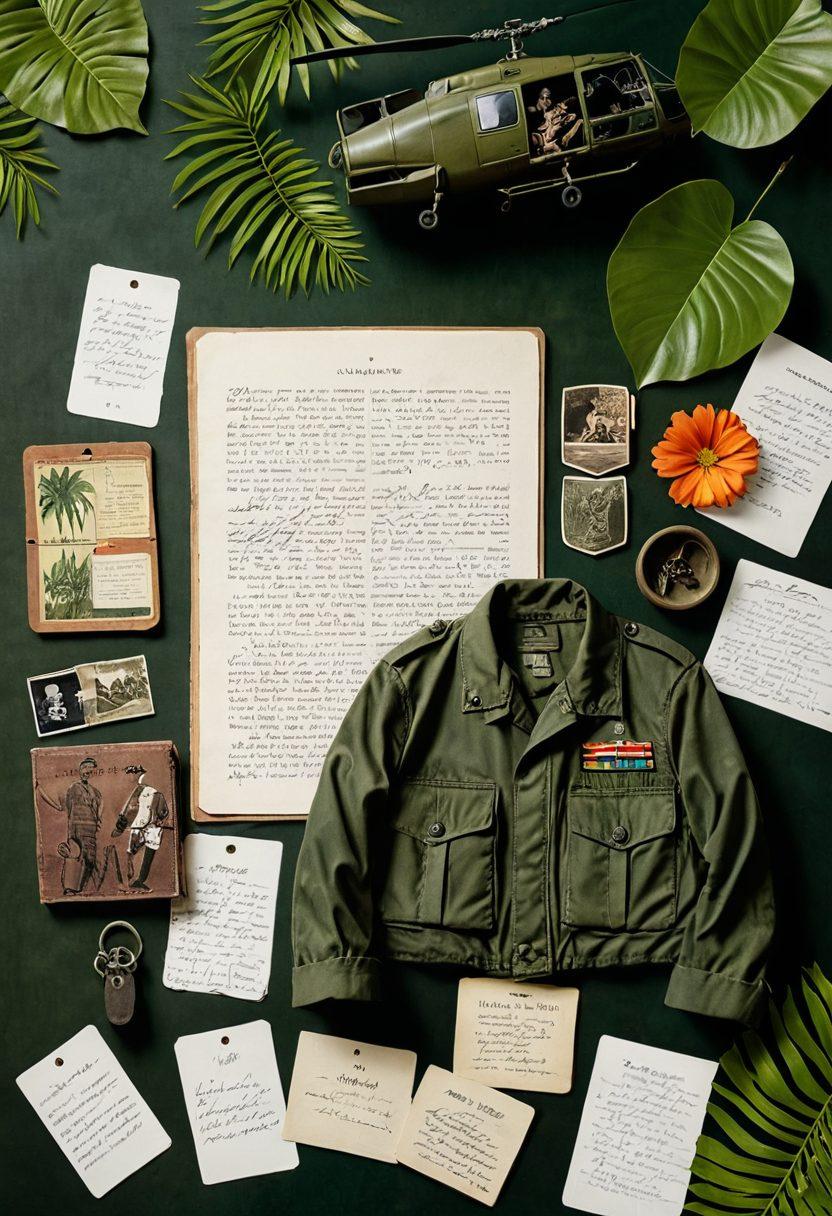
When we think about the Vietnam Conflict, what often comes to mind are the intense images and narratives provided through movies, documentaries, or history books. But behind those frames of artistic representation lies a wealth of personal experiences - firsthand accounts from the soldiers, from the veterans who lived through it and witnessed the chaos and camaraderie of war. These stories are not just fragments of Military History; they are deeply woven tapestries of human emotion, resilience, and growth. Taking a moment to listen to these Vietnam Stories can reshape our understanding of American Vietnam War, offering a unique angle on a complex narrative shaped by decades of cultural impact of war.
Have you ever wondered how a single moment in combat can change a life forever? The Vietnam War History is rich with such moments, beautifully captured in the narratives of those who fought. Each veteran’s experience acts like a window into the true nature of conflict, often displaying emotions ranging from valor to vulnerability. For instance, meeting a Vietnam veteran in a local cafe may lead to them sharing a gripping tale about surviving ambushes or forming lifelong friendships amidst the turmoil. Such War Accounts invite us to reflect on the human cost of Military Engagements, urging us to honor their struggles through active commemoration of veterans and their stories.
As we dive deeper into these compelling narratives, one can’t help but ask: how did personal experiences during the Vietnam War shape the lives of these soldiers once back on home soil? The oft-overlooked effects of conflict—mental, social, and emotional—play an integral role in analysis around Vietnam War History. For many, the transition was not just about returning from war; it was about finding space for their veteran experiences in a society that often struggled to comprehend the scale of what they had endured. Each anecdote serves as a testament to resilience, sparking dialogues that enrich the understanding of Historical Military Analysis amidst the continued discussion of Asian Conflicts.
It’s also essential to recognize that studying veterans’ stories goes beyond just listening; it encourages us to engage with their narratives actively. One powerful way to embark on this journey is through documentaries that showcase War Narratives. These films often present raw, unfiltered perspectives that illustrate the realities of conflict while highlighting the emotional and psychological toll it takes on the military veterans involved. People find themselves captivated by stories that draw them in, making history not just a subject to learn but an experience to feel and understand. By revisiting these profound moments through Historical Blogs and military conflicts blog platforms, we can foster a deeper compassion for those who have served.
Ultimately, exploring veteran narratives is about preserving memories that shape our collective consciousness. Each personal account is not merely a tale of survival; it is a lesson in courage and humanity that enriches our understanding of the Vietnam Conflict. As we honor the stories of those who bore the weight of this war, let’s actively participate in remembering their sacrifices and learning from their invaluable experiences. Sharing these captivating tales ensures that the sacrifices made during military conflicts continue to echo through generations, for only by acknowledging our past can we hope to forge a brighter future.
Historical Lens: Insightful Analysis of the Vietnam War's Cultural Impact
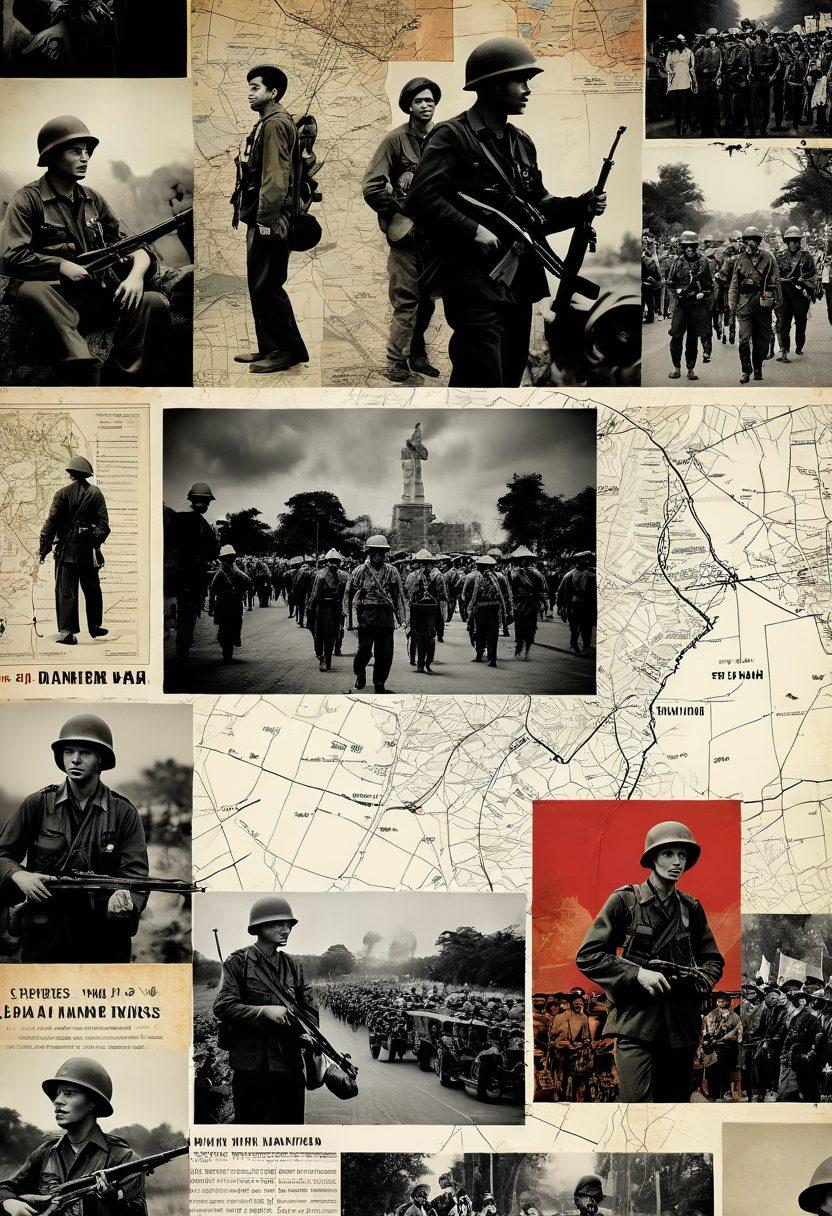
The Vietnam War is often regarded as a watershed moment in not just American history but also in the broader context of global conflicts. The cultural impact of this war permeates our films, music, art, and even literature, defining an era in which both military prowess and the consequences of foreign interventions were starkly examined. This blog takes a closer look through a historical lens, weaving together insightful analysis and compelling storytelling that centers around Vietnam’s unique heritage and the narratives of those who lived it. As we dive deep into the Vietnam War history, one must ask: how did this conflict shape not only a nation but also its culture?
If we peel back the layers of the Vietnam War, we uncover a complex tapestry of war narratives that echo through decades. Stories told by veterans highlight the emotional and psychological scars left by military engagements. Consider the story of a veteran who, upon returning home, found solace in a community that understood his experiences. Their journey sheds light on the sometimes-tumultuous relationship between soldier and society during the post-war era. How did these veterans navigate their new lives, and how are their stories shared today, in light of the current movements toward the commemoration of veterans?
Moreover, the cultural impact of war extends beyond the battlefield. As the Vietnam Conflict unfolded, it stirred a revolution in music, with folk singers and rock bands channeling the frustrations and hopes of a generation. Iconic songs like 'Fortunate Son' became anthems of dissent, reflecting the discontent of those questioning the government’s motives behind military interventions. Film, too, played a pivotal role in shaping the public's perception of this historical military analysis. Movies like 'Apocalypse Now' and 'Full Metal Jacket' starkly captured the essence of war and its repercussions. What remains, however, is the poignant question: do these portrayals do justice to the real stories of those involved?
As we reflect on the Vietnamese history surrounding the war, we often overlook the voices from the other side. The stories shared by civilians caught in the whirlwind of conflict highlight the resilience and courage of a nation. Their accounts reveal a different side of war—a side that emphasizes survival and hope amidst chaos. To truly understand the Vietnam War’s cultural impact, we must include these perspectives. After all, there are countless Vietnam stories waiting to be told that can provide a richer context to this historical conflict. How do personal experiences challenge our understanding of war?
In conclusion, the Vietnam War, and subsequent commemoration of veterans, serve as a touchstone for deeper analysis of military conflicts and their consequence on societies. War documentaries, historical blogs, and first-person war accounts provide essential avenues for us to explore how these events shaped cultures on both sides of the Pacific. The legacy of the Vietnam War invites us to reflect not just on battles fought, but on the lives altered forever. What we learn from these narratives and experiences informs our understanding of military history today, inspiring conversations about peace and reconciliation.
Ultimately, the cultural impact of the Vietnam War still resonates today, enriching our historical understanding through the lens of personal experience. As we explore the complex interplay of war and culture, let us also remember the importance of honoring the veteran experiences that have contributed to our shared history. Their stories remain a crucial part of the larger dialogue on the implications of war and are vital in shaping future generations.
Unearthing War Stories: Documenting the Untold Experiences of Vietnamese History
As we peel back the layers of time, the Vietnam Conflict emerges as one of the most consequential and complex chapters in military history. Digging deeper into this tumultuous era not only reveals the extensive military engagements but also uncovers the unique stories behind the statistics. What happens when we stop thinking of soldiers merely as numbers and start listening to their voices? Unearthing war stories not only brings light to the experiences of veterans but also enriches our understanding of Vietnamese history, helping to explain the cultural impact of war on a nation still healing from its wounds.
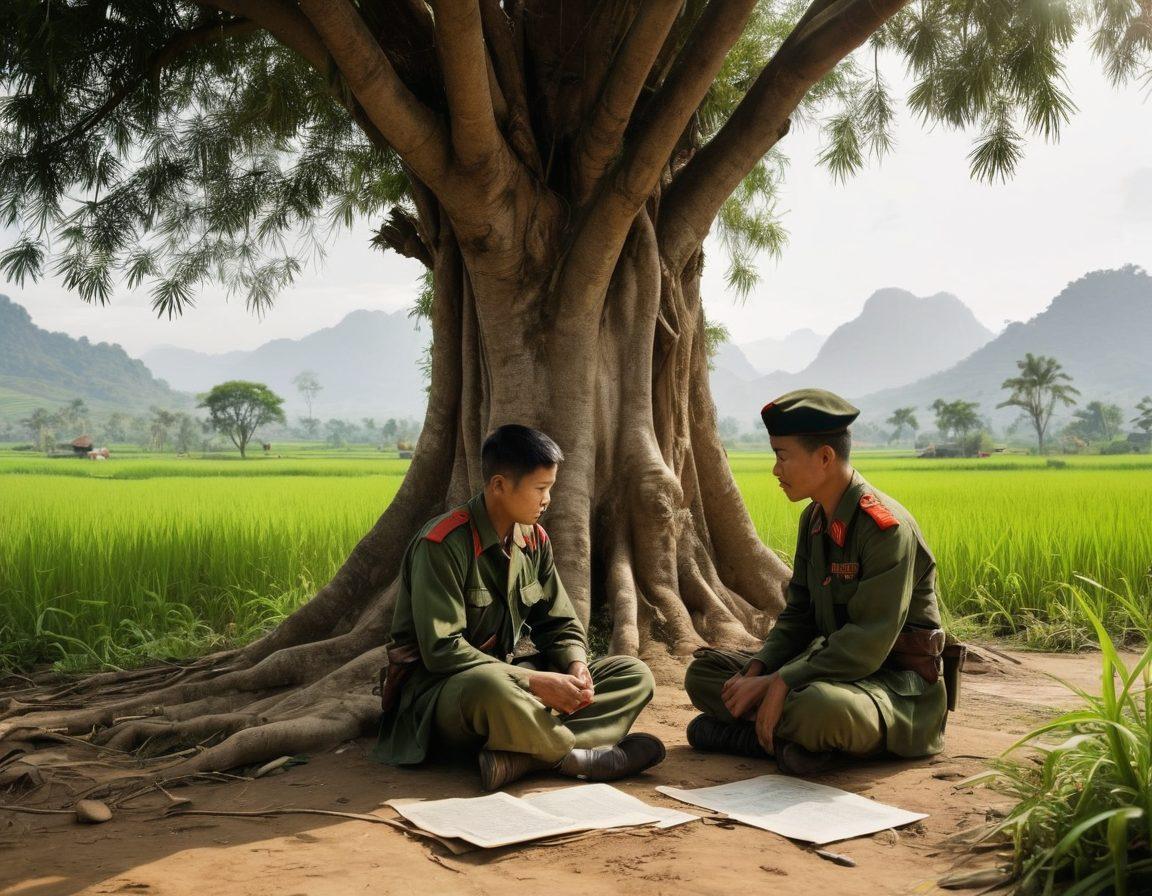
Imagine standing in a jungle thick with humidity, hearing the distant rumble of helicopters overhead. This is where the narratives of countless soldiers and civilians blend into a tapestry woven with fear, bravery, loss, and resilience. "War does not determine who is right, only who is left," said Bertrand Russell, and it rings especially true when we recount the historical accounts of those who lived through the Vietnam War. Engaging with war narratives allows us to embark on a journey that emphasizes empathy and understanding—elements that are crucial for analyzing conflicts in any era.
When documenting the untold stories of the Vietnam War, we must listen to the veterans' experiences themselves. Their testimonies, filled with raw emotion and vivid imagery, provide invaluable insights into the complexities of war. Collecting these war accounts emerges not only as a way for veterans to share their burdens but also as a duty to preserve history. For example, did you know that many veterans have sought various forms of art and storytelling, such as writing or participating in documentaries, to process their experiences? Each story has the potential to break down barriers, prompting critical reflections on the American Vietnam War and the broader implications of war on society.
The interplay of culture and conflict reveals how the Vietnam War extended far beyond the battlefield. The generational trauma felt by many Vietnamese families acts as a living testament to the impacts of wartime experiences. An often-overlooked aspect of conflict analysis is how cultural narratives evolve in response to military conflicts. As we honor the commemoration of veterans, it is essential to reflect not only on their sacrifices but also on how these sacrifices shaped the socio-cultural landscape of Vietnam. What lessons can we glean from these intertwining stories, and how can they shape our understanding of contemporary Asian conflicts?
In the age of information overload, where countless historical military analysis pieces flood our feeds, the stories we share truly matter. War documentaries and historical blogs seeking to document Vietnamese history bring forth the voices of those who lived through these times. Let’s challenge ourselves to seek out veteran experiences that resonate with the emotions of today. How can we apply the lessons learned from the Vietnam stories to better understand ongoing military conflicts? As we face current global tensions, our approach to preserving and sharing war narratives can help alleviate the suffering wrought by conflict, ensuring that the stories of the past inform our future.